fanuc test bench
Diagnosis on the test bench
The test bench is where this desk's claims are earned: FANUC units are powered and run under controlled conditions so a fault is found, not guessed. The seller's own site describes test-bench work for FANUC components as a named service, and this page explains what that work involves.
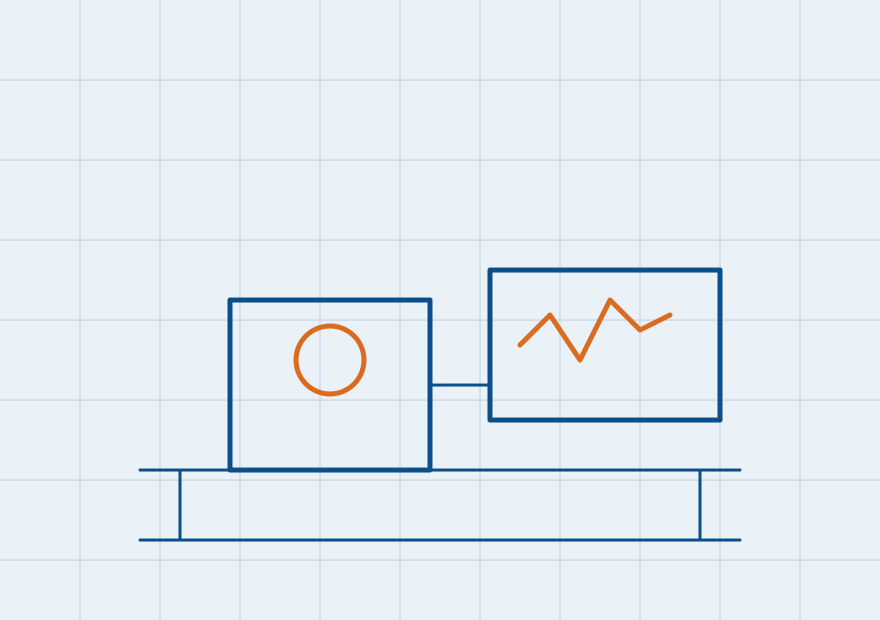
Diagnosis on the test bench
The bench exists to answer one question precisely: which component, inside which unit, has actually failed? A machine-side symptom — an alarm, a trip, a dark screen — convicts a chain, not a part. The control, the amplifier, the motor, the feedback device and the cables between them can each produce the others' symptoms. Bench diagnosis isolates the unit from that chain and then isolates the fault inside the unit, so the decision that follows — repair this stage, replace this unit, look at the cable instead — rests on a located fault.
The seller describes the purpose in its own terms on its site: test-bench diagnosis identifies faulty components accurately before repair, reducing unnecessary replacements and repair time. That is the service this page documents, without inflating it: the bench does not fix anything by itself, and it does not certify a unit beyond the conditions it was run under. What it does is replace suspicion with a finding.
What happens to a unit on the bench
A unit booked in is first identified exactly — number, suffix, condition as received — because bench records are kept against the unit, not against the inquiry. It is then powered and run in the configuration its role demands: an amplifier is driven, a motor is turned, a feedback device is rotated and read, a display is lit and left to warm, a pendant is woken and keyed through its rows. The symptom the buyer reported is reproduced where the bench can reproduce it, and the fault is narrowed stage by stage.
Two outcomes are normal. The fault is found, located and priced for repair against the shelf alternative. Or the unit passes — which is itself a finding, because it returns the investigation to the machine side: cables, connectors, the neighbouring unit, the supply. A pass is reported as a pass, with the test conditions stated, never quietly converted into a sale.
Test video as evidence
The seller's service offers a test video of tested goods, and the bench is where those videos come from. For a buyer at a distance, the video is the practical form of trust in this trade: the actual unit, awake and working, identifiable as the unit being bought or repaired. Buyers ordering a used amplifier, a used controller or a pendant routinely ask for it, and the desk treats the request as a standard step rather than a special favour.
The same logic applies inside a repair. Where the diagnosis turns on behaviour — an intermittent drop-out, a fault that appears warm — a short video of the bench run shows the buyer the finding instead of asking them to take a sentence for it. Evidence first, adjectives afterwards, is the bench's house rule.
The modifications work
Alongside diagnosis, the seller publishes test-bench modification work for FANUC components: adapting the bench setup to components that need a particular configuration before they can be run and judged. That work matters most for the less common units — older control generations, combined drive units, robot-side parts — where a generic hookup cannot exercise the unit honestly. A unit that cannot be run cannot be passed, and the bench's job is to close that gap rather than to wave units through it.
Buyers sending an unusual unit can help by naming its machine and its role precisely. The more exactly the bench team knows what the unit does in situ, the more faithfully its running conditions can be reproduced on the bench, and the more the finding is worth when it comes back.
Sending a unit for diagnosis
Start through the contact form with the part number, the machine, and the symptom as displayed — including when it appears and what has already been tried. State whether the machine is stopped. The unit is booked against that description, the bench plan follows it, and the finding comes back in the same terms the symptom was described in, so the buyer can compare the two directly. Diagnosis and the repair service are one intake: nothing needs to be sent twice or described twice.
Related pages
Send an inquiry
Send the part numbers you need, or the number of a unit you want assessed, with the machine each belongs to. One desk answers for the shelves and the bench.
Open the inquiry form