Send an inquiry
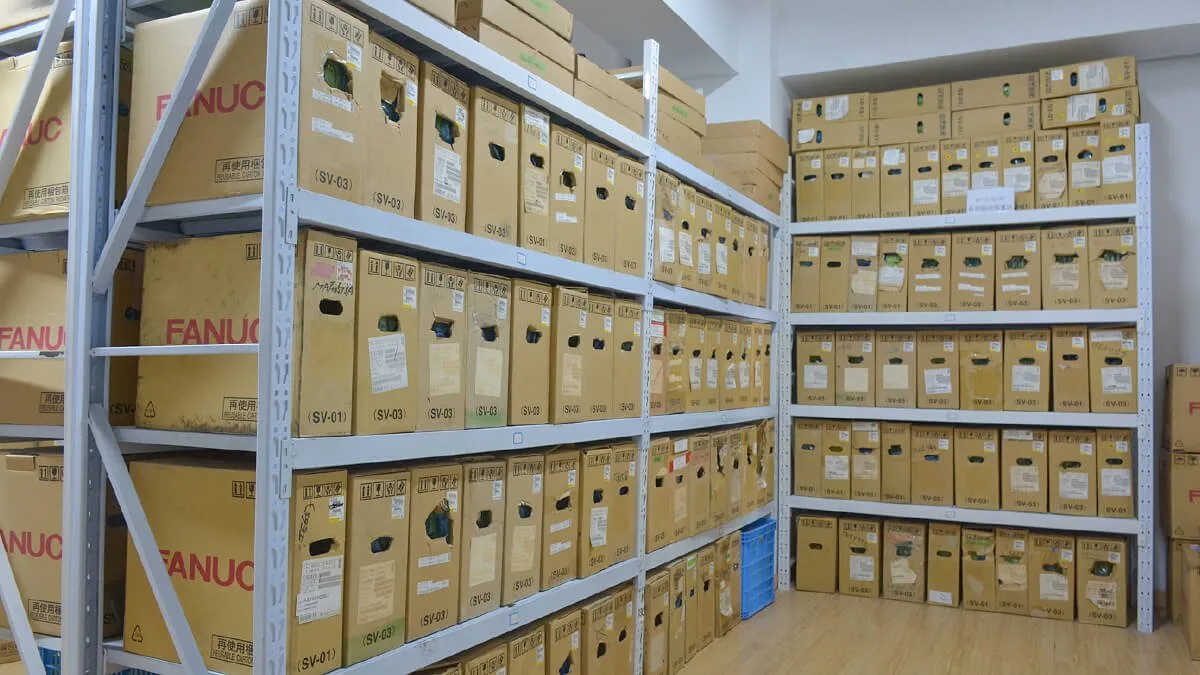
One form reaches both halves of the desk: the stock shelves and the repair bench. List the FANUC part numbers you need, or the number of a unit you want repaired, and say which machine each one belongs to.

What to include
A short list in the message field is enough. These lines help the desk answer in one pass:
- Each FANUC part number exactly as printed on the unit label, including the suffix after the final dash
- The quantity per number, or the number of failed units for a repair inquiry
- The machine and control generation each part belongs to, where known
- The condition you will accept: new, new-surplus, used, or open to all three
- Whether you want a test video of the tested unit before dispatch
- For repair: the symptom the machine showed when the unit failed
If a number is partly illegible
Labels on drive units and boards live in hot, oily cabinets, and a worn label is a normal problem. Send what can be read, mark the characters that are guesses, and add the family the unit came from — amplifier, motor, board, display — plus the control series on the machine. The catalogue pages group numbers by family and generation, and the desk works from those groupings every day; a partial number with a family and a machine model is usually enough to narrow the shelf to a shortlist.
What happens after you send
The desk reads the list against the shelves first and the bench book second. Lines that are on the shelf come back with their condition options and prices; lines that are not come back marked as such, with a repair route offered where the failed unit itself could be assessed instead. Nothing is substituted silently: if a line can only be met by a different number, the reply names the difference and waits for the buyer to accept it.
If a line needs a bench answer — a repair assessment or a test — the reply says what to ship and where the result will be reported. Keep the inquiry's part numbers in the subject of any follow-up email so the thread stays attached to the same list.